Spring Into the Garden

Hah! So I am NOT the only one itching to get into the garden! There is already a whole workshop series lined up…

Village Vancouver is pleased to present gardening workshops with Grant Watson of Gourmet Gardens. Grant is a former organic farmer and has been teaching gardening to adults and children since 2003. He also operates an edible landscaping business.

A full list of workshops with dates and locations is available on the Gourmet Gardens website, along with course descriptions. To register contact Ross at rmoster@flash.net.

Here’s a sampling of what’s in store:

Garden Planning and Preparation
This course will get you started in thinking about how to start a food garden, and taking the first important step of getting the beds ready for planting. A sound garden plan that takes all the key factors into consideration has a better chance of producing and winning your enthusiasm.

Food Crops: Selection & Care
So you’ve got a garden all ready for planting. What are you going to put in, and when should you start? This course will cover all the major groups of vegetable and fruit crops that grow well in our climate. We will also discuss the specific needs of plants in each category.

Soil Fertility and Plant Health Management
An extremely important topic in organic gardening is soil health and fertility. Healthy soil is a vibrant community. Learn how to be an ally, not an enemy of your soil. We’ll also cover some key techniques for promoting and protecting your annual and perennial food plants, as well as the ones that just look pretty, from disease and pests.

Leave a Comment

Urban Garden Prep at VanDusen Botanical Garden

These days every time I walk by the community garden where my plot is located, I start feeling itchy. I know we’re all ramped up for the 2010 Winter Olympics and it’s only mid-February, but the crocuses are already in full bloom and we haven’t a stitch of snow on the local mountains (ironic, isn’t it?). That MUST mean it’s time to think about the garden!

If you’re getting all twitchy for a gardening fix, here are a couple of upcoming events at VanDusen Botanical Garden to get you ready for planting:

Seed Swap
Presented by the BC Master Gardeners Association, the annual Seedy Saturday is held in Floral Hall. A celebration of heritage varieties and organic gardening featuring more than 30 growers, seed companies and exhibitors and Heritage Seed Swap. There will be a variety of seed-inspired activities for the whole family. Admission by donation.

Saturday, February 27, 2010
10:00 am – 4:00 pm
5251 Oak Street at 37th Avenue
Vancouver, BC

Annual Manure Sale
Give your garden a spring tonic! Cost is $5 for a 20kg bag. For information and pre-orders email marcelfpichette@alumni.uottawa.ca.

Saturday, March 6, 2010
10:00 am – 3:00 pm
5251 Oak Street at 37th Avenue – Parking lot
Vancouver, BC

Leave a Comment

Food Labels: Naturally Raised (or Natural) Meat

Food Label Tag GreenExcerpt from Ecoholic

“According to the CFIA, this label should mean the animal was raised without human intervention (i.e. vaccines, hormones or antibiotics). Some health stores use the term on their meat to mean hormone-, antibiotic-, GMO- and animal-by-product-free, as well as free-range. But the feed isn’t organic.”

Excerpt from GreenerChoices.org

“If you came across a package of ground beef with a “naturally raised” label on it, it might conjure up images of animals roaming freely and grazing on open pasture. But unfortunately, that’s not the case with the U.S. Department of Agriculture’s new voluntary standard for the naturally raised claim, which the agency issued on January 16, 2009.”

“For livestock used for the production of meat and meat products, the USDA’s naturally raised marketing claim standard:

  • Prohibits growth promotants (including growth hormones);
  • Prohibits animal byproducts in feed—which are implicated in causing mad cow disease; and
  • Claims to prohibit antibiotics (but allows ionophores used as coccidiostats for parasite control).

While those are important practices, Consumers Union believes only specific product claims should be allowed, such as ‘no antibiotics or hormones ever administered’. They should not be couched under a vague and misleading term that does not address how the animals were raised, their main diet, treatment of animals, space requirements, and other concerns.

“This regulation will allow an animal that has come from a cloned or genetically engineered stock, was physically altered, raised in confinement without ever seeing the light of day or green of pasture, in poor hygiene conditions with a diet laced in pesticides to be labeled as ‘naturally raised.’ This falls significantly short of consumer expectations and only adds to the roster of misleading label claims approved by USDA for so-called natural meat,” said Dr. Urvashi Rangan, Senior Scientist and Policy Analyst at Consumers Union, and Director of GreenerChoices.org.”

“A national telephone poll conducted by Consumer Reports’ National Research Center released in November 2008 showed American consumers want the “naturally raised” meat claim to mean more than USDA’s standard, including that it came from an animal that:

  • Had a diet free of chemicals, drugs and animal byproducts (86%)
  • Was raised in a natural environment (85%)
  • Ate a natural diet (85%)
  • Was not cloned or genetically engineered (78%)
  • Had access to the outdoors (77%)
  • Was treated humanely (76%)
  • Was not confined (68%)”

Leave a Comment

Drinking Beer Just Got More Local

Hey gang, drinking beer just got a whole lot more local, thanks to the newly revived BC hops growing industry and partnerships with local breweries.

“Sixty years ago, the sight of workers harvesting hops in the fall was commonplace in BC, especially in the Fraser Valley, where as many as 4,000 seasonal labourers were needed to pick more than 1,600 acres that were under cultivation when the industry peaked in the late 1940s.

But today on the Saanich Peninsula, a dozen years after a prolonged price slump drove the province’s once-thriving hops industry to extinction, a fresh crop of locally grown hops is an exceedingly rare commodity.

Phillips is one of a growing number of BC microbrewers who, driven by record-high prices and unstable supplies in recent years, are seeking partnerships with local farmers to grow the essential beer-making herb on contract.”

Read the rest of the article at Granville Magazine Online.

Leave a Comment

Food Labels: Grass-Fed (or Pasturized) Meat

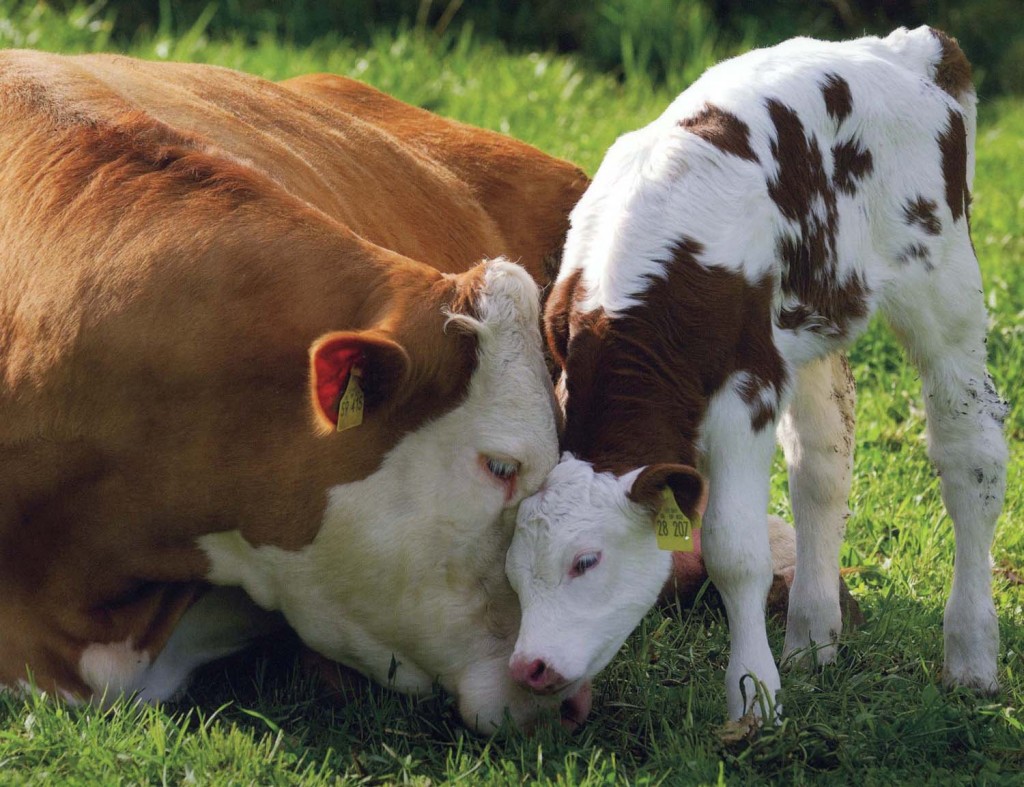
Food Label Tag GreenDon’t “All Cows Eat Grass”? I was pretty sure it was more than a mnemonic used to teach children to read music. Apparently, commercially-raised cows have been switched to a grain feed. Apparently, the mnemonic isn’t as accurate as it once was…

Excerpt from Ecoholic

“Grass-fed cows are said to be much healthier (the animals get sick less and their meat is more nutritious to the end consumer) than a typical grain-fed cow. In fact, USDA researchers have found that hay- or grass-fed cows are less likely to have E. coli in their digestive tracts than grain-fed types (and that’s a good thing, considering E. coli might otherwise contaminate your burger). But there are no federal standards or enforcement mechanisms in place for this label.”

Excerpt from Grass-Fed-Beef-101.com

“Currently the United States Department of Agriculture has not adopted an official definition of Grass Fed Beef. There are two terms, often used interchangeably that people find confusing, they are; Grass Fed Beef and Grass Finished Beef.”

“The definition of Grass Fed Beef generally means beef from cattle that have eaten only grass or forage throughout their lives, however some producers do call their beef grass fed but then actually finish the animals on grain for the last 90 to 160 days before slaughter.

A more specific definition is Grass Finished Beef. Finishing is just another word for the time that cattle are normally fattened for the last few months before processing. Typically, feed lots finish cattle for 90 to 160 days on grain, usually corn, whereas, grass finished cattle are fattened on grass only, until the day that they are processed.”

Leave a Comment

Indendent Grocer Stocks Local Food

I love Famous Foods grocery on Kingsway in Vancouver, BC. I like that they have such a great variety of locally produced food. I like that the staff are always friendly and helpful – they are friendly with each other, too, which is a good sign. They always offer carry out when I purchase by the case.

And I love that I always find interesting, local, and healthy food there. Most recently it was a cashew and date snack bar. That’s all it had in it. Nothing else. Especially no added sugar. Yum.

I love that I can buy lots of whole foods in bulk. One of the many fringe benefits of eating local is a focus on eating more healthfully. The bulk products may not all be local, but food that is unprocessed is a healthy option to have and that works for me.

Hemp Seed Hearts

I’ve “discovered” a few local products at Famous Foods that have become regulars on my shopping list, including Golda’s Cilantro Pesto and Spring Creek natural beef (no hormones or antibiotics).

And I found a new supplier of hemp hearts, Canada Hemp Foods, based in Gibsons, BC and sourced from Manitoba. As a Prairie girl at heart, I’m happy to be supporting my country’s farmers. Frankly, that’s damn cool.

Leave a Comment