7 Compelling Reasons to STOP Drinking Bottled Water
by Mary Johnston, CEO watermatters
Reprinted with permission
 Why on Earth is anyone still drinking water bottled in plastic?
Not only is it a potential health hazard and more expensive than gasoline, consuming water from plastic water bottles contributes to global warming, environmental pollution and the rampant privatization of water. David Suzuki has been warning us of the ecological damage of bottled water for years. With green practices becoming trendy, consuming bottled water is losing its glamour and quickly becoming a social taboo.
7 Compelling Reasons to Stop Drinking Bottled Water
#1 It’s Making Us Sick – Plastics Are Toxic
Polyethylene terephthalate (PET #1 plastic) is used for single serve plastic water bottles.
This type of water bottle has been approved for one-time use only. It has become common practice for many people to unknowingly re-use these plastic bottles. Studies show that bacteria easily breeds in PET plastic bottles when re-used and that re-use may cause DEHA, a carcinogen, to migrate from the plastic into water contained in the bottle. A new 2006 study revealed that significant levels of antimony, a toxic chemical, leaches into water sold in PET plastic bottles.
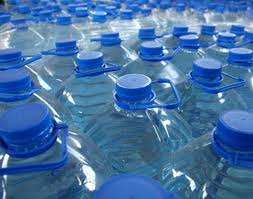
Bisphenal-A is a toxic compound found in polycarbonate (#7 plastic), the rigid, translucent, hard plastic used in 5 gallon water bottles. It is a hormone disruptor that mimics estrogen and is linked to early-onset puberty, declining sperm counts, obesity and the huge increase in breast and prostate cancer. Due to the alarming toxicity of this chemical, in March 2007 a billion-dollar class action suit was filed in Los Angeles against five leading manufacturers of baby bottles containing Bisphenal-A. BPA has been officially banned in Canada as of October 2010.
#2 It’s Expensive
The extortionate price of gas pales in comparison to bottled water. A litre (33.8 ounces) of tap water in Canada costs taxpayers an average of 0.0005 cents. A litre of bottled water sells between $0.50 and $6.00.That makes the markup on one litre of bottled water a whopping 1,000 – 12,000%.
#3 It’s Under-Regulated
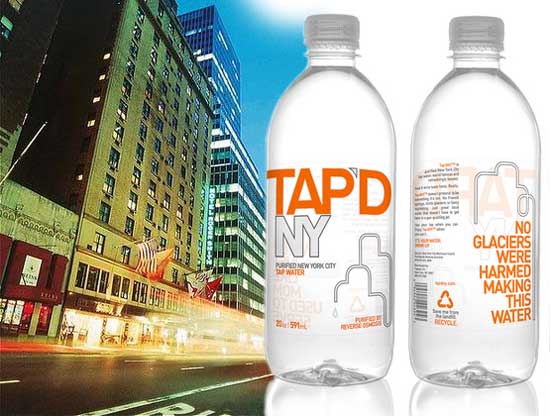
More than 1/4 of bottled water consumed by Canadians is simply filtered tap water. In Canada tap water has to meet 160 standards compared to less than half a dozen for bottled water. In Canada bottled water is considered a ‘food product’ and is regulated under the Federal Food and Drug Act. Bottled water production facilities are only inspected every 2 – 3 years whereas regular drinking water operators are subject to the Canadian Water Quality Guidelines and must test and report on a regular basis.
Contrary to its claims of purity, bottled water is not immune to contamination. A recent US study indicated that 1/3 of all brands tested contained arsenic and/or E.coli and that ¼ of all bottled water was simply tap water sold at a significant profit In March 2007, the Canadian Food Inspection Agency warned the public not to consume imported Jermuk Classic Brand Natural Sparkling Mineral Water because it contained excessive levels of arsenic. In 2004, Coca-Cola recalled its entire Dasani line of bottled water in the UK due to toxic compounds formed in the water during the disinfection process. Learn more.
A two-year shelf life is considered acceptable for bottled water. There is no control over the change in the bottled water’s characteristics once it is bottled.
#4 It’s Polluting Our Planet
The pollution and energy consumption involved in the production, shipping and disposal of plastic bottles is staggering. “The production of one kilogram of PET plastic requires 17.5 kilograms of water and results in air pollution emissions of over half a dozen significant pollutants. In other words, the water required to create one plastic bottle is significantly more than that bottle will contain” says Rick Smith, Executive Director of Environmental Defense.
Plastics are the fastest growing form of municipal waste. They do not biodegrade. An estimated 88% of water bottles are not recycled. Our oceans, now littered with plastic, may be one of the most alarming of environmental concerns today. Most plastic floats near the sea surface where it is mistaken for food by birds and fishes. Through the global food chain, it is contaminating trillions upon trillions of ocean inhabitants and ultimately humans.
#5 Water Is Getting Scarce – Fast!
Severe drought is occurring in many regions around the globe with no sign of letting up. Meanwhile aquifers that can take hundreds of years to recharge have been depleted.
More than one billion people lack access to clean drinking water. Thirty-one countries face water scarcity and water sources are rapidly becoming polluted and depleted. By 2025, two-thirds of the world’s population will face water shortages. Learn more
Australia is experiencing its fifth consecutive year of drought. Permanent drought is predicted for the Southwestern U.S., much of which has been in severe drought since 2000. Seven American states and Mexico are competing for water from the already over-allocated Colorado River. China is also experiencing ongoing drought. 700 million Chinese lack reliable access to water suitable for human consumption. India is also deeply concerned about lack of water. Sections of Mexico City are sinking at a rate of 12 inches a year due to over-tapping aquifers that have been drained to supply the city’s population of 9 million with water.
Meanwhile ‘Big Water’ companies are buying access to and drying up aquifers that have traditionally supplied human populations, farms and ecosystems with water.
Current legislation in British Columbia allows companies (including non-Canadian companies) to extract up to 1,710,000 gallons of groundwater per day without a permit and ship it anywhere in the world providing it is in bottles less than 20 litres in size. BC communities, such as Valemont, are loosing their water to profiteering bottled water companies who can take our water with no accountability to the environment or local citizens! This is grossly incongruent with basic ethics, water shortages that are starting to occur within British Columbia and the urgent need to reduce carbon emissions around the globe.
#6 Privatizing Water Threatens a Human Right
Instead of working to help those without water, the world’s largest water corporations are seeking to privatize this precious resource, turning a public commons and a human right into a commodity. Learn more
Growing populations challenge aging water delivery systems that many local communities and governments cannot afford to update. ‘Big Water’ companies are moving in to take over public water systems in North America. They have plans to control 80% of the public water supply within the next few years. Paying grossly inflated prices for bottled water is intended to seduce us into accepting a transition from unlimited, affordable clean water for all to water becoming an expensive commodity owned and controlled by ‘Big Water’. We complain about gas prices. Why accept water prices that are even higher?
Disgracefully, Canada is the one country that has consistently voted against water as a human right at the World Water Forums in 2000, 2003 and 2006 and the 2002 UN Committee on Human Rights.
Meanwhile, more than 1/3 of the world’s population lives and dies without access to decent drinking water and sanitation.
Concerned groups, like the United Church of Canada, are taking a stand against bottled water on the moral grounds that water is a basic human right, not a commodity to be sold for profit.
#7 It’s No Longer Cool
Once a fashion trend, drinking bottled water will die in disgrace. Like the cigarette, once fashionable and now stigmatized, bottled water is on its way out. You know the story about the frog in the pot. Turn up the heat slowly and he won’t know he needs to get out. Don’t be caught in the heat.
Make the switch. The future of life on this planet depends on it. The new wave is health conscious and eco-friendly.
Say NO to bottled water.
——————–
For more information and additional articles and resources, visit Your Water Matters.
Related posts:
Enjoy the Luxury of Local, Drinkable Water
Who Owns Your Water
Drink Local…Water I Mean
More Reasons to Drink Local Water
Have Your Say on Vancouver’s Drinking Water

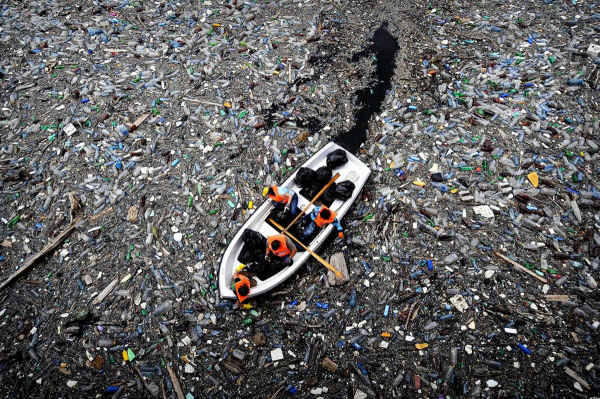 Ever heard of the Great Pacific Garbage Patch? Yeah, I didn’t just make that up, it’s real. A giant (and I do mean giant) garbage dump floating in the North Pacific Ocean, made mostly of plastic. And it’s not going anywhere fast. Because plastic doesn’t break down and decompose. Continue reading