Archive for Urban Gardening

Anyone Can Garden, Anywhere

If you really want to garden, you can garden. All it takes is a little creativity.

One East Vancouver resident converted a parking space into a garden on the rental property she shares. In my condo the rooftop deck is surrounded by tomato plants bent double with fruit.

One of my all-time favourite micro gardens is this resident’s creative solution to urban farming:

  • One used canoe – check
  • Southern exposure – check
  • One narrow concrete slabĀ  in the alley – check

Presto, a beautiful garden.

Do you have a creative urban gardening solution? Share your pictures via email to liz [at] localdelicious.com.

Leave a Comment

Season Ending Fungus Alert

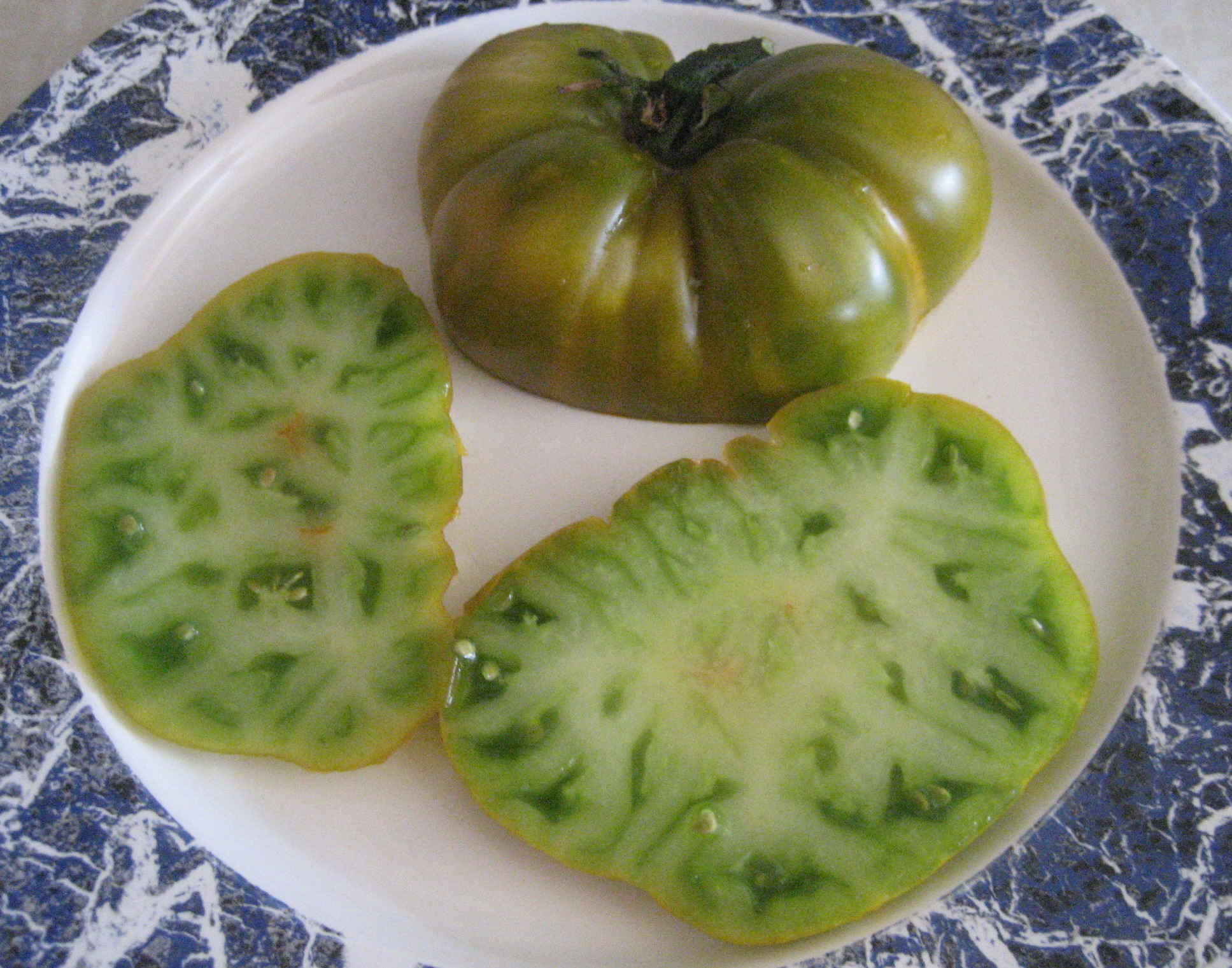
The blight fungus is a common problem for tomatoes as summer changes to wet autumn. It is a major problem in community gardens because:

  1. Once it is established on a plant or two, it will spread to other people’s plants
  2. The fruit becomes infected and inedible
  3. Infected plants must not be composted because the fungus will remain in the final compost; they must be put in the garbage.

Observe your plants regularly once the fall rains arrive, remove infected branches as soon as you see the black fungus, and put in a sealed garbage bag.

White fungus is also a common problem on squash/zucchini/cucumber/pumpkin leaves (it disintegrated my cucumber leaves last year). Suggestions:

  • Spraying your leaves with a mixture of milk and water twice a week should prevent or control this powdery mildew. The recommended ratio varies from 1:3 to 1:9
  • Another suggestion is a 0.75% baking soda. It’s a lot cheaper, more environmentally friendly, and less spoilage-prone than milk. The recommendation is one application weekly. It kills powdery mildew on contact, but doesn’t stick around.
  • Next year choose yellow zucchini instead of green because it is more resistant to fungus.

All fungus spreads by forming spores that are carried by the wind. When the spores land on plants, it needs the right conditions in order to germinate, i.e. it only grows on tomato plants that are wet for over 48 hours at a time. Once one part of the plant is infected, the spores that form are much more likely to infect other parts of the plant… and to spread to other plants.

What you can do to minimize loss from late season tomato blight:

  1. Keep plants dry by placing them under a structure that you create. The protection you give them must allow for excellent ventilation, and you must be able to get in to prune and pick the tomatoes. If possible, do not water overhead. Try to keep the leaves as dry as possible by only wetting the ground around the plant. Keep tomato plants regularly watered and fed because dramatic fluctuations in temperature, soil moisture and soil fertility may cause fruit disfigurement in tomatoes.
  2. Minimize initial infection by using a mulch around your plants and trimming the bottom leaves. Mulches such as grass clippings or straw absorb the impact of raindrops and reduce the chances of soil being sprayed onto your plants.
  3. Another preventive measure is a fixed copper spray, often sold as Bordeaux Mix or Bordo Spray. Spray the whole plant according to label directions. The caution with this spray is that copper can accumulate in the soil and slow plant growth after several years, so it is important to plant the tomatoes in a different part of the garden each year, and to change the soil in planter boxes as well. Leave at least 1 day between the time you spray and the time you harvest. Copper compounds are generally considered a regulated input by organic certification bodies, meaning they should be used as interim solutions only, and alternatives (keeping the plants dry) should be sought.
  4. Since the disease strikes in the rains of late summer, choosing tomato varieties that will ripen before the deluge is also a control measure. Perhaps the best and surest advice we can offer discouraged tomato growers is to concentrate on the determinate varieties which can be easily grown in attractive pots and planters up under the house eaves. There is less trouble with staking and covering; a wire cage support, regular watering of the rich soil and full sunshine are all that are needed. Determinates ripen much earlier than the indeterminate varieties, so they are ready for summer salads simultaneously with other salad ingredients.

Contributed by: Daryl Armstrong, Avid Community Gardener

Leave a Comment

Strange Things in the Garden

Slug Love

There are some strange goings-on in the garden:

First the slugs. Let’s just say they died happy…

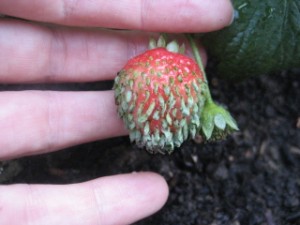
I have strange fungi growing under one of my strawberry boxes. It’s fascinating and intricate and beautiful in it’s own way.

Having said that, I’ve left it open to the elements to see if that takes care of it.

Strange Fungus

Leave a Comment

Learn How to Preserve Your Garden’s Bounty

Vancouver Farmers Markets has just announced a series of demos to help you store your garden’s bounty for eating later.

Through a generous grant from Vancity Enviro Visa, Vancouver Farmers Markets is offering market-goers tips and techniques for making summer last just a little bit longer. The program includes market demonstrations of preservation techniques, tip cards and recipes and help finding and choosing the best produce for storage. Don’t you want summer to last just a little bit longer? It can!

Make it Last: Food Preservation Basics demo details.

Leave a Comment

Bugs on Rhubarb

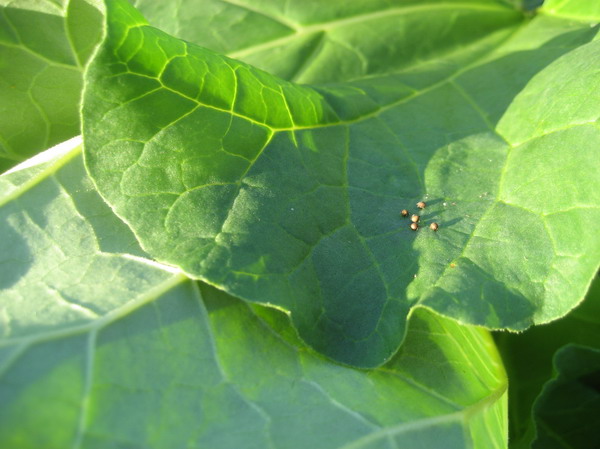
Over the course of the summer I’ve noticed bugs on my rhubarb plant. At least I think they’re bugs. They look a lot like ball bearings, seem to do no damage (at least to the rhubarb leaves, which are poisonous), and typically collect near the base of the leaf where it meets the stalk.

Upon closer inspection they are either ball bearings with tiny legs, or not ball bearings at all.

Do you have any idea what they are?

Leave a Comment

Change of the Seasons

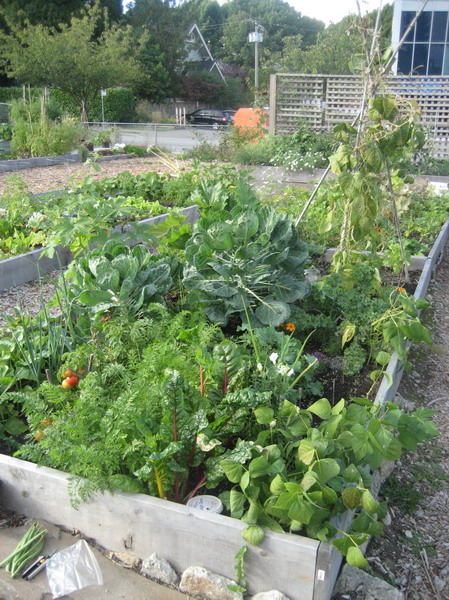
Before, with teepee

Yesterday was the day.

The surest signal of Fall.

The day the teepee came down.

The last of the beans are long finished but only now after a few days of rain and autumn chill am I resigned to taking down the teepee for the season. The transition to winter gardening has officially begun.

Also in true autumn fashion, after the record size beans harvested this year I saved some seeds for next.

After, without teepee

Leave a Comment